When Preparation Gets in the Way of Seeing
Preparation is supposed to sharpen attention. But sometimes it does the opposite. This piece looks at how too much planning can narrow perception—and why some photographs only appear when control loosens.
Field Decisions explores the judgment calls photographers make while the world is still moving. Not settings, not gear—decisions about when to stay, when to move, when to wait, and when to let a moment go. These pieces focus on real conditions: uncertainty, pressure, distraction, and incomplete information. The emphasis is on choosing what matters before the camera ever rises, and understanding why some scenes reward patience while others don’t—questions that sit at the core of deciding when a scene is worth waiting for.

Preparation is supposed to sharpen attention. But sometimes it does the opposite. This piece looks at how too much planning can narrow perception—and why some photographs only appear when control loosens.
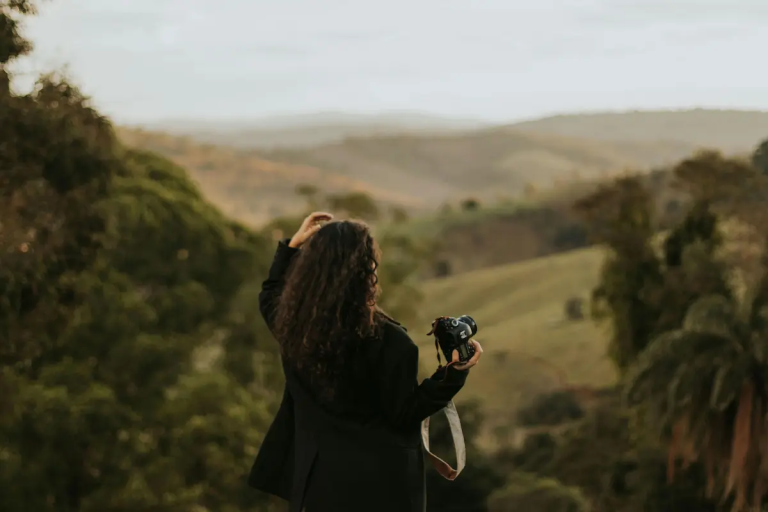
Shot lists promise control, clarity, and efficiency—but real environments don’t follow plans. This article examines what happens when photographers work without a shot list, when freedom improves judgement, when it creates blind spots, and how intent—not preparation—ultimately determines whether an image works.
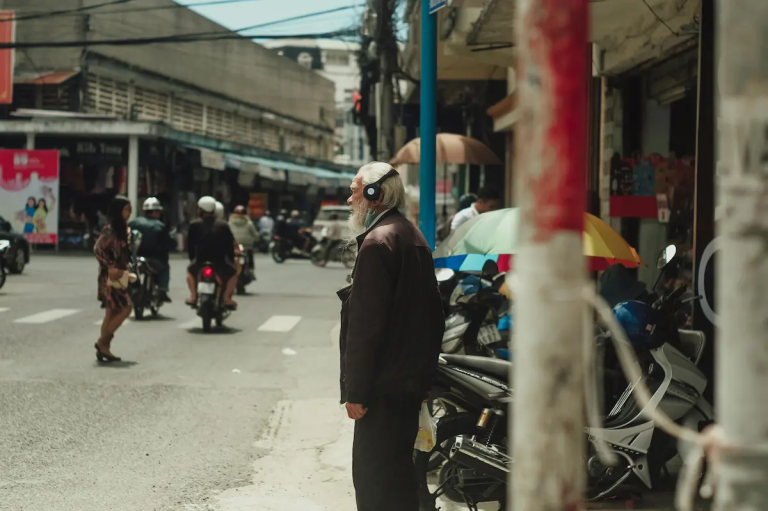
Missed moments aren’t always mistakes. Sometimes they’re the result of good judgement—choosing not to force a frame, not to chase possibility, and not to dilute your work with images that don’t hold. This piece breaks down when letting a shot go is the right call, how regret can be useful (or useless), and why restraint quietly strengthens a body of work over time.
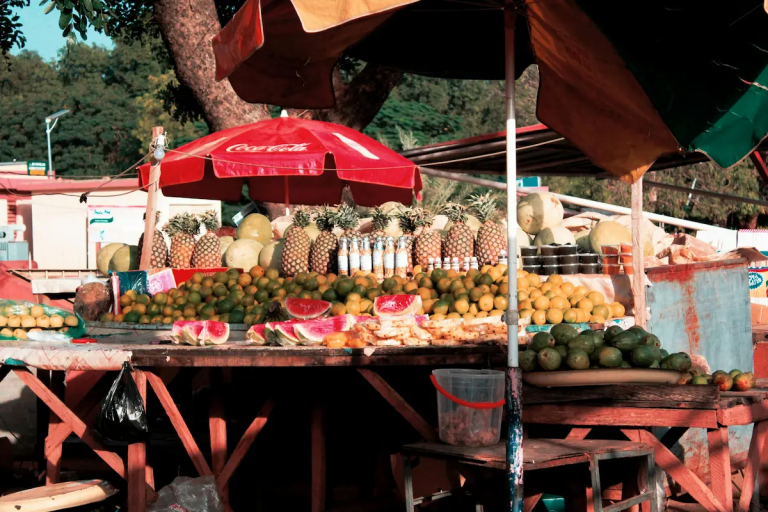
Photographing uncontrolled environments requires judgement more than technique. This article breaks down what actually matters when you don’t control people, light, or timing.

A straightforward framework for deciding whether to wait, move, or leave—based on real-world cues, not gear or theory.